Tracing Worksheets: Foundational Tools for Visual Fluency
In the digital age, the tactile connection between hand and page remains a cornerstone of effective design education. For graphic designers, understanding the fundamental building blocks of form is not just about creating letterforms; it's about mastering the visual language that underpins all compelling communication. Tracing worksheets offer a structured, deliberate method for internalizing the principles of line, shape, and proportion, which are critical to every facet of visual design.
Beyond Early Education: A Designer's Training Ground
While often associated with preschool and kindergarten students learning pencil control, the core principles of these exercises hold immense value for creative professionals. The practice of tracing is, in essence, a study in typography, spatial relationships, and visual hierarchy. By methodically tracing lines, patterns, and letters, designers train their eyes and hands to recognize and reproduce the subtle curves and consistent strokes that define a polished brand identity or a legible UI design.
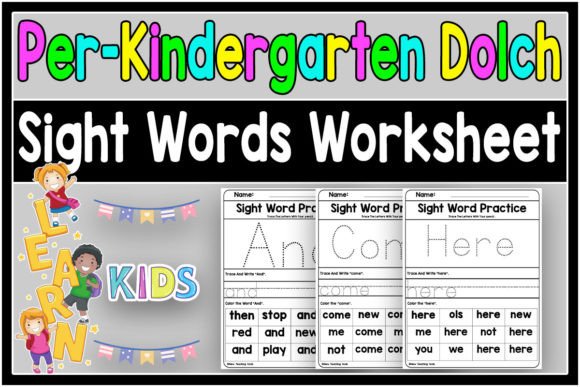
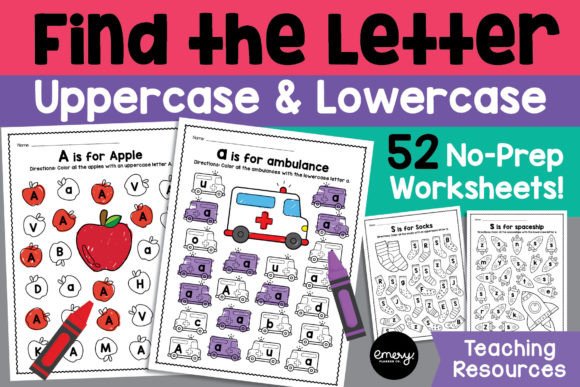
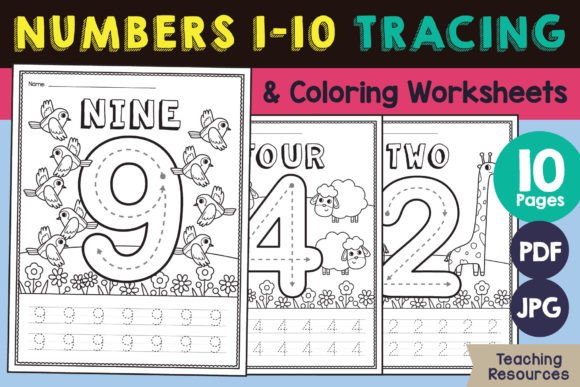
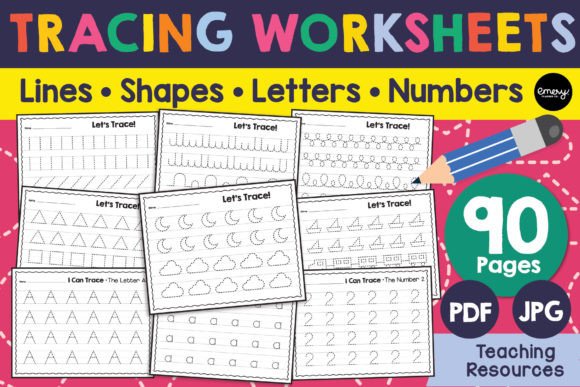
This resource, featuring 90 worksheets covering lines, shapes, uppercase and lowercase letters A-Z, and numbers 1-10, is more than a simple printable. It is a curated toolkit for developing muscle memory and an intuitive sense of composition.
Practical Applications in Modern Design Workflows
Integrating foundational practice into your workflow can yield tangible benefits across various projects. Consider these applications:
- Logo Design & Branding: Sketching initial concepts by hand, guided by tracing exercises, can lead to more organic, unique, and human-centric logo marks. Understanding the skeleton of a letterform is crucial for custom logotypes.
- Typography & Editorial Layout: Improved hand control translates to a better appreciation for kerning, leading, and typographic rhythm, which are vital in editorial design and web design.
- Marketing & Social Media Graphics: Quick, confident sketching allows for faster ideation of social media post layouts, infographics, and advertising campaign visuals, enhancing the design workflow.
- Packaging & Merchandise Design: The precision required for tracing directly applies to creating detailed dielines, intricate patterns, and consistent decorative elements on physical products.
Selecting and Utilizing Design Assets Effectively
When incorporating any creative asset, including practice resources, quality and intention are paramount. Evaluate assets based on their scalability (the provided 300 dpi, 8.5x11 inch PDF and JPEG files ensure print-ready clarity), their consistency (the black-and-white format focuses on form without color distraction), and their alignment with your design goals.
Use these worksheets not just for copying, but for analysis. Observe how the strokes of a lowercase 'a' relate to an uppercase 'A'. Study the negative space within the shapes. This mindful practice builds a deeper understanding of visual communication, enabling you to make more intentional choices in your own creative projects, whether you're developing a color palette or finalizing packaging design artwork.
Ultimately, the strength of any graphic design output lies in the designer's foundational skill. Thoughtful practice with structured tools like tracing worksheets cultivates the precision, consistency, and aesthetic judgment that separate good design from great. By investing time in mastering the basics, you enhance not only your technical ability but also the clarity and impact of your visual storytelling across all media.