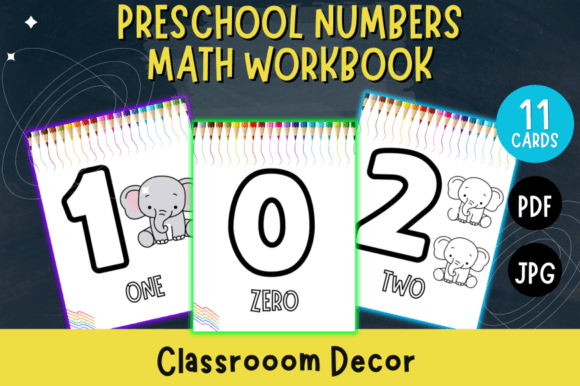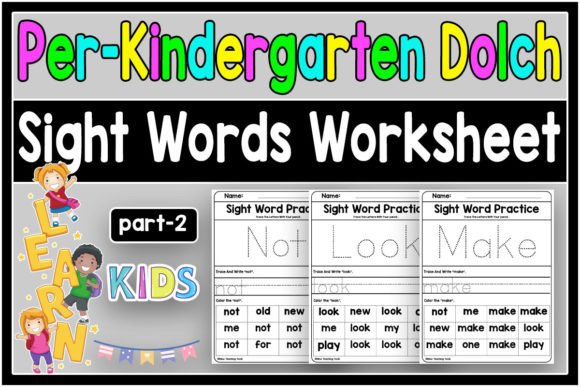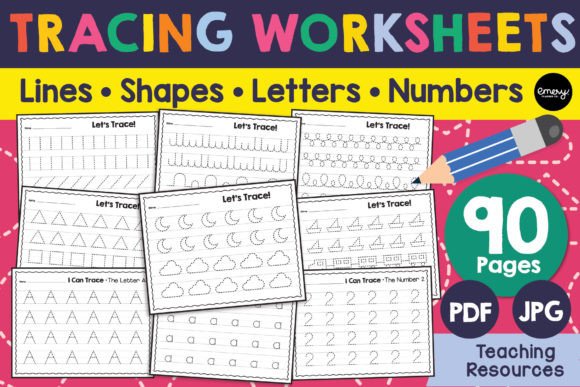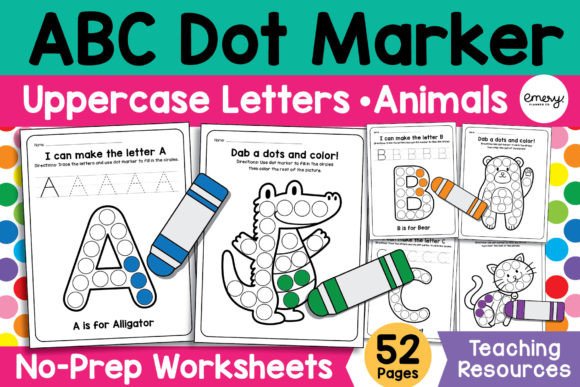
Preschool Numbers 1-10 Worksheets: Designing for Early Learners
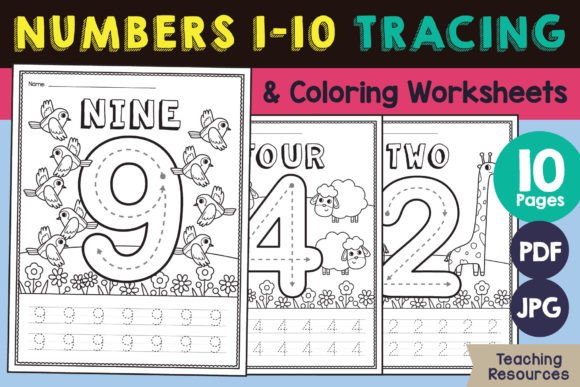
In the world of graphic design, effective communication often begins with the most fundamental building blocks, and few are as universally important as the numbers one through ten. For designers creating educational materials, a resource like a dedicated set of Preschool Numbers 1-10 Worksheets is a cornerstone asset, blending pedagogical function with clean, engaging visual design. These worksheets are not just practice sheets; they are a carefully crafted tool for early childhood educators, parents, and content creators focused on literacy and numeracy, offering a ready-to-use solution that respects the constraints of print production and the needs of young learners.
From a professional design perspective, the value of such a resource lies in its meticulous attention to detail and production-ready quality. The inclusion of both PDF and high-resolution JPEG files at 300 DPI ensures crisp output for any print scenario, from classroom handouts to bound activity books. The standardized 8.5x11 inch dimension aligns perfectly with common printer settings, eliminating guesswork and ensuring a seamless user experience. The black-and-white pack is a strategic design choice, reducing printing costs and focusing the child's attention on form and number recognition without the distraction of color, while also offering a clean canvas for those who wish to add their own colored elements.
Practical Applications in Creative Projects
The utility of these worksheets extends far beyond a single classroom. For graphic designers and marketers, they serve as a foundational component in a variety of creative and branded projects:
- Brand Identity for Educational Startups: A cohesive set of number worksheets can establish the visual language for a tutoring service or educational app, reinforcing a brand's commitment to structured, child-friendly learning.
- Marketing & Social Media Content: Educators and child-focused brands can use the individual JPG files to create engaging social media posts, printable freebies for lead generation, or visually consistent content for blogs and newsletters.
- Packaging & Merchandise Design: The simple, traceable number designs can be adapted for labels on educational toys, stationery, or packaging for children's products, ensuring visual consistency across touchpoints.
- Digital Products & Web Design: The clean aesthetics and clear visual hierarchy make these assets suitable for designing UI elements in children's educational apps or as downloadable content for resource libraries.
Key Design Principles for Effective Educational Assets
When selecting or creating assets like Preschool Numbers 1-10 Worksheets, several core design principles ensure they achieve their goal effectively:
- Clarity and Readability: The primary design must prioritize unambiguous number forms. This involves careful consideration of typography—using a simple, sans-serif font with clear ascenders and descenders—and ample negative space to prevent visual clutter.
- Visual Hierarchy and Flow: Each worksheet should guide the eye logically. A typical flow might move from the numeral to the written word, then to a counting activity (like coloring animals), and finally to the tracing section. This structured progression supports cognitive development.
- Scalability and Consistency: As a digital design asset, consistency across all ten worksheets is paramount. Uniform margins, line weights, and placement of activity elements create a predictable and professional package that users can rely on.
- Audience-Centric Design: The "black and white pack" is a thoughtful decision for the target audience (preschoolers and kindergarteners). It reduces sensory overload and focuses on motor skill development, while also being economically considerate for the end-user printing multiple copies.
Ultimately, the power of a well-designed resource like this lies in its ability to merge form and function seamlessly. It demonstrates how thoughtful graphic design—considering file formats, print specifications, user workflow, and developmental appropriateness—can create a tool that is both aesthetically pleasing and profoundly useful. By investing in or creating high-quality, structured creative assets, designers and educators ensure that the foundational elements of learning are communicated with clarity, consistency, and a touch of visual inspiration, setting the stage for a lifetime of engagement with numbers and design.