Enhance Visual Communication with Engaging Typography Exercises
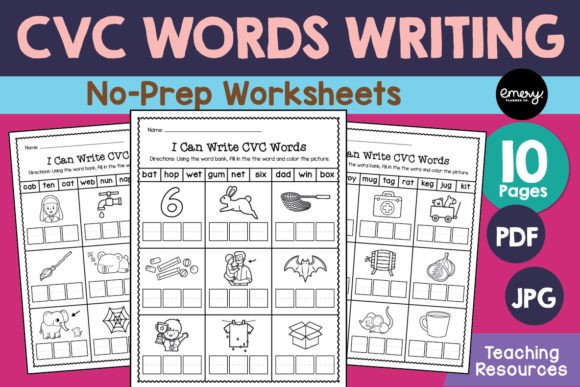
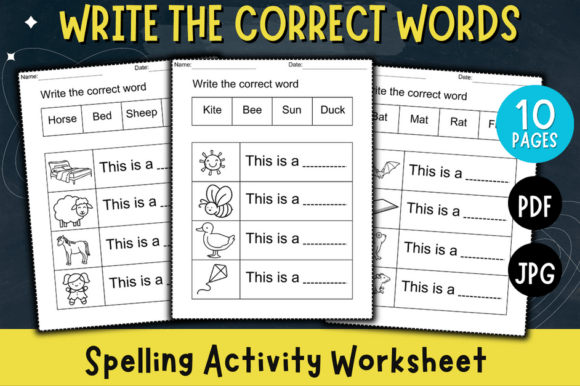
In the fast-paced world of graphic design, the foundation of every powerful brand message begins with precise and engaging text. Whether you are developing a logo, crafting a social media campaign, or designing educational materials, the clarity of your typography is paramount. This is where the principle of Write the Correct Words becomes an invaluable tool for designers and creators, serving as an engaging educational activity that reinforces spelling and vocabulary through interactive puzzles. By challenging learners to complete words by providing missing vowels, this exercise sharpens the mind and highlights the importance of accurate letterforms—a skill directly transferable to professional visual design and typography.
The Role of Precision in Visual Hierarchy
When we discuss graphic design and brand identity, we are often discussing the hierarchy of information. The ability to recognize word patterns and apply knowledge of letter sounds, much like in the "Write the Correct Words" activity, parallels the designer's need to ensure that text is not only aesthetically pleasing but also functionally readable. In UI design and web design, a single missing letter or a poorly spaced word can disrupt the user experience. This educational resource, which includes 10 pages of PDF and JPEG files, offers a unique perspective on how structured language exercises can inspire better visual communication.
Practical Applications in Modern Design Projects
While "Write the Correct Words" is an excellent tool for teachers and parents to support language development, its underlying principles are highly relevant to various creative projects. The focus on spelling proficiency and word recognition translates well into the professional realm. Consider how these concepts apply to your workflow:
- Logo Design & Branding: Ensuring that brand names are spelled correctly and styled consistently across all marketing materials is non-negotiable. This activity reinforces attention to detail.
- Editorial Design: In packaging design and print design, clear typography ensures that product information is communicated effectively to the consumer.
- Digital Marketing: Social media graphics rely on short, punchy text. The cognitive skills developed by completing word puzzles help creators craft concise, impactful copy.
- Presentation Design: A professional presentation requires impeccable spelling and grammar to maintain credibility and visual hierarchy.
Integrating Educational Concepts into Design Workflow
For graphic designers and business owners, the value of resources like "Write the Correct Words" lies in their ability to foster a deeper appreciation for language. When selecting creative assets for a project, understanding the mechanics of words allows for better decision-making regarding typography and color palette. The interactive nature of this activity encourages critical thinking, which is essential when evaluating design elements for scalability and readability. By treating text as a visual component that requires precision—much like filling in missing vowels—you can enhance the overall design quality of your output.
Tips for Selecting and Using Design Elements
Whether you are working on advertising campaigns or merchandise, the selection of text-based assets should be approached with the same rigor as the "Write the Correct Words" exercise. Here are a few actionable insights:
- Consistency is Key: Just as the activity reinforces standard spelling, your brand assets must maintain consistent typography to build recognition.
- Audience Expectations: Consider the literacy level and visual preferences of your target audience. Clean, error-free text enhances user engagement.
- Compatibility: Ensure that your chosen fonts and text styles are compatible with your existing brand systems and digital products.
- Modern Aesthetics: Use text to create a visual hierarchy that guides the viewer's eye naturally, similar to how the puzzle guides the learner to the correct answer.
Ultimately, the success of any creative project hinges on the seamless integration of text and image. By embracing the discipline found in language exercises and applying it to visual design